

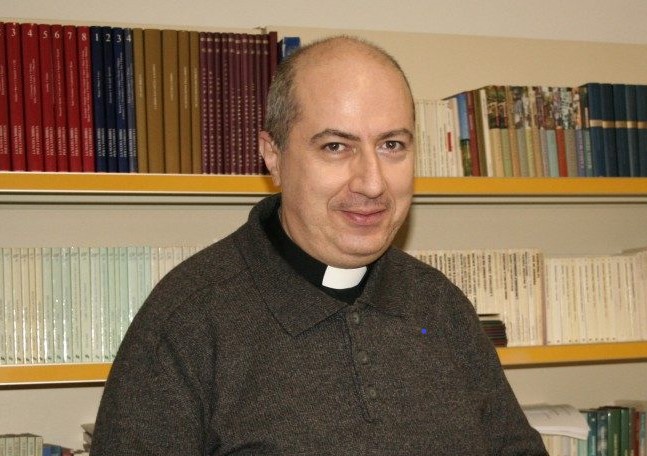
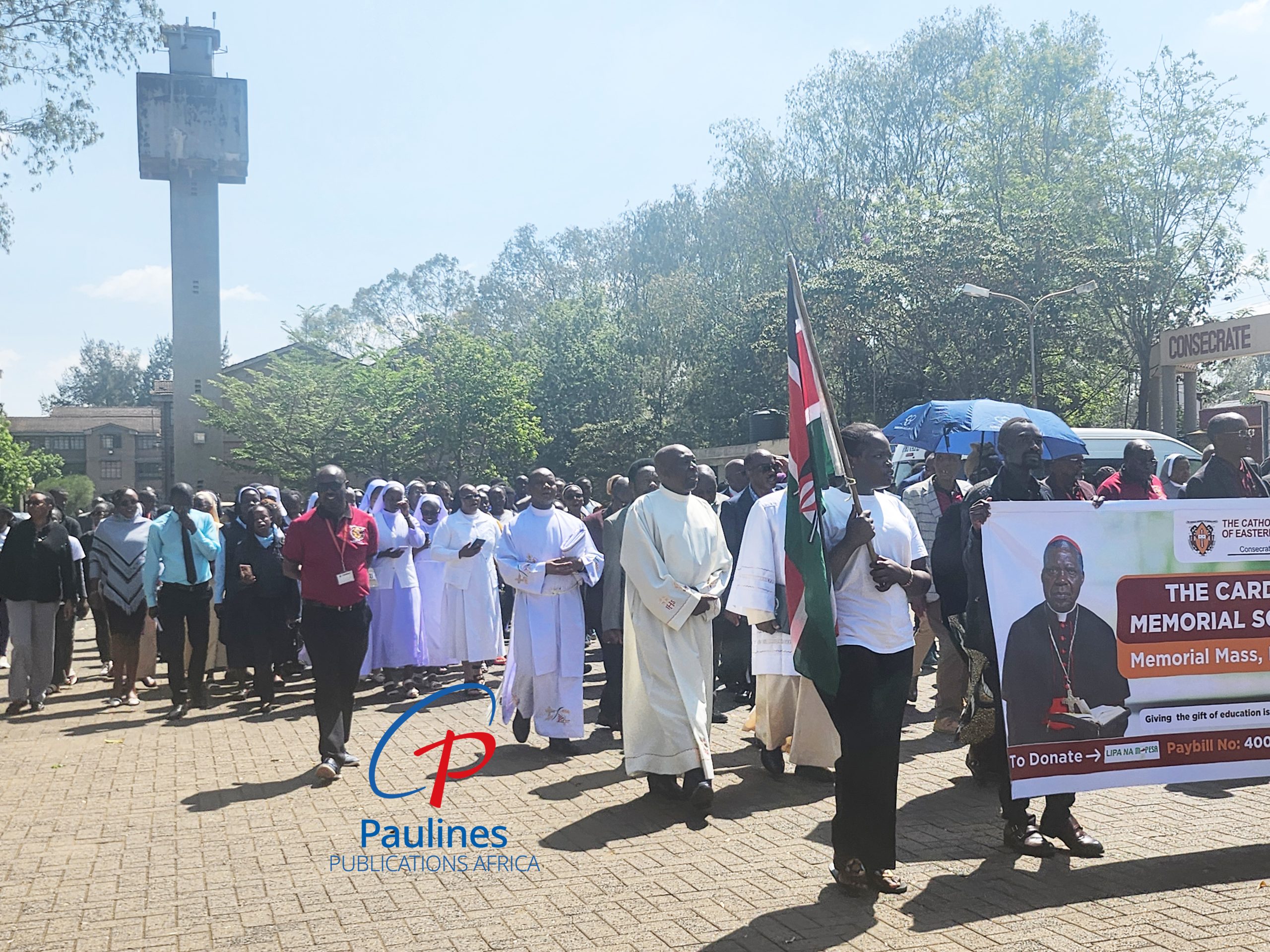
Lecture by Fr. Marino Gemma, IMC, in Honor of Cardinal Otunga — Memorial Day, 20th November 2025, at Catholic University of Eastern Africa (CUEA).
A Reflection on Maurice Michael Cardinal Otunga: Epitome of Selfless Service, Beacon of Hope to Fellow Pilgrims of Hope
In the grand tapestry of the Church’s history, certain figures emerge not merely as administrators or theologians, but as living Icons of the Gospel they proclaim. Their lives become a homily, their actions a catechism, and their presence a tangible sign of God’s abiding love. Such a man was Maurice Michael Cardinal Otunga. To reflect on his life is to contemplate a journey that perfectly embodied the paradox of Christ: that in emptying oneself, one becomes full; in dying to self, one gains eternal life. The Servant of God was, in every sense, the epitome of selfless service and an enduring beacon of hope.
The Foundation: From Privilege to Kenosis
Cardinal Otunga’s story begins with a potential narrative of worldly power. Born in 1923 in Chebukwa, Kenya, as the son of a powerful chief, he was heir to a legacy of tribal leadership and privilege. The world laid one path before him—a path of political influence and material comfort. Yet, in a profound act of self-emptying, or kenosis, he chose another. His conversion to Catholicism and his subsequent decision to pursue the priesthood was the first and most definitive act of selfless service. He relinquished a chieftaincy to become a servant of all, trading the trappings of earthly authority for the towel and basin of Christ,
the servant-king.
This foundational choice set the pattern for his entire life. His service was not a role he adopted but an identity he embraced. It was a service rooted not in ambition, but in a radical love for Christ and His Church. He understood that true leadership in the Christian context is not about elevation, but about descent—descending to the level of the poor, the marginalized, and the broken-hearted.
The Epitome of Selfless Service: The Towel and Basin in Action
Cardinal Otunga’s selflessness was not a vague ideal; it was expressed in concrete, often startling, ways.
A Spirit of Radical Simplicity: In a world obsessed with status, he was a man of profound simplicity. He owned little, lived austerely, and was known for his personal poverty. His simple black suit, his humble residence, and his unassuming demeanor were not a performance but an outward sign of an inward reality. He had divested himself of the non-essential to be more completely available to God and to His people. This simplicity disarmed the powerful and dignified the poor, demonstrating that a person’s worth is not in their possessions but in their being a child of God.
Pastoral Availability: His service was marked by a profound availability. He was a Father in the truest sense—accessible, patient, and deeply compassionate. He listened to the troubles of the elite and the destitute with the same attention. Stories abound of him giving away his own meager resources, visiting the sick in the most remote areas, and spending hours in the confessional offering God’s mercy. He served not from a distance, but in the intimate trenches of human life.
Courageous Advocacy: His selflessness was coupled with a prophetic courage. During difficult moments within the Nation, Cardinal Otunga stood as a voice for justice, peace, and reconciliation. He did not seek power for himself, but used his moral authority to serve the common good. He spoke truth to power, not for personal gain, but as a service to a Nation struggling to find its soul. He was a “servant of the servants of God”.
A Beacon of Hope to Fellow Pilgrims
In a world of relentless pursuit of self-interest, Cardinal Otunga’s life shone as a Beacon of Hope. But he was not a beacon from a distant, unreachable lighthouse. He was a fellow pilgrim, walking the same dusty road, bearing the same burdens, which made his hope all the more credible and contagious.
Hope in Humility: In an age that glorifies self-aggrandizement, his humble life was a radical testament to a different order of values. He witnessed to the hope that our identity is not found in what we achieve, but in whose we are. He showed that a life hidden in Christ is a life of profound peace and quiet joy, a hope that endures beyond the fluctuations of fortune and fame.
Hope in Sacrificial Love: His consistent, daily “yes” to God, his small and large acts of sacrifice, were a living homily on the redemptive power of love. He demonstrated that hope is not a passive wish,
but an active virtue forged in the furnace of self-giving. For the Kenyan Church and for all who knew him, he was a living reminder that the Cross is not the end, but the pathway to resurrection. His life assured fellow pilgrims that their own struggles and sacrifices were not in vain but were participating in the great plan of salvation.
Hope in Steadfast Faith: Through personal trials, ecclesial challenges, his faith remained unwavering. This steadfastness was a beacon for others buffeted by the storms of doubt and uncertainty.
He was a rock not of his own making, but because he was built on the Rock of Ages, Christ. His serene confidence in God’s providence was a silent, powerful proclamation that our ultimate hope is not in the kingdoms of this world, but in the Kingdom of Heaven.
Before any external action, Otunga’s holiness was rooted in an interior posture of total openness to God.
- The Primacy of the Interior Life: Cardinal Otunga was, first and foremost, a man of prayer. His public actions were the direct overflow of a deep, sustained interior communion with God. He was known to spend hours in prayer before the Blessed Sacrament, grounding his entire existence in what he called the “one thing necessary.” His holiness teaches that without a rich interior life, external actions risks becoming empty activism.
- Spiritual Childhood: His holiness mirrored St. Thérèse of Lisieux’s “Little Way.” It was not built on grand, heroic feats but on a moment-by-moment trust and dependence on God, like a child with a father.
This is the source of his profound humility; a child does not boast of its achievements but recognizes everything as a gift. His famous will, beginning “I, Maurice Michael Cardinal Otunga, a poor servant of Christ…” is not false modesty but a genuine expression of this spiritual reality. - Fiat Voluntas Tua (Thy Will Be Done): His life was a continuous, unwavering “yes” to God’s will. His acceptance of every Ecclesiastical office with a sense of unworthiness and duty, he demonstrated a perfect alignment of his will with God’s. This obedience was not passive but an active, trusting cooperation with grace.
- A Silent Prophet: In a world of noise and opinion, his power was often in his silence and stillness. His presence was a quiet, constant rebuke to corruption, pride, and greed. He was a “prophet of being,” not just “prophet of speaking,” whose very existence called society and the Church to a higher standard.
- A Sacrament of Christ’s Presence: Ultimately, the goal of all holiness is to become a transparent medium through which Christ is encountered. People who met Cardinal Otunga often reported encountering a profound peace, a non-judgmental love, and a tangible sense of Christ’s presence. His life had become a “sacrament”—a visible sign of Christ’s invisible grace. He was, in the words of the Second Vatican Council, a “light of the world,” not by his own power, but by the divine light shining through his surrendered humanity.
Conclusion: The Enduring Pilgrimage
Maurice Michael Cardinal Otunga did not merely talk about service and hope; he incarnated them. He walked the pilgrimage of life with the towel of service wrapped around his waist and the lamp of hope held high. His legacy is found in the countless souls he touched, inspired, and guided back to the source of all hope, Jesus Christ. He remains for us, fellow pilgrims on the same journey, a compelling icon.
In remembering this “man of the beatitudes,” we are invited to join him on the path of self-emptying love, trusting that it is on this very path that we, too, will become beacons of hope, lighting the way for one another towards our Eternal Home.
Fr. Marino Gemma
Rector Resurrection Garden
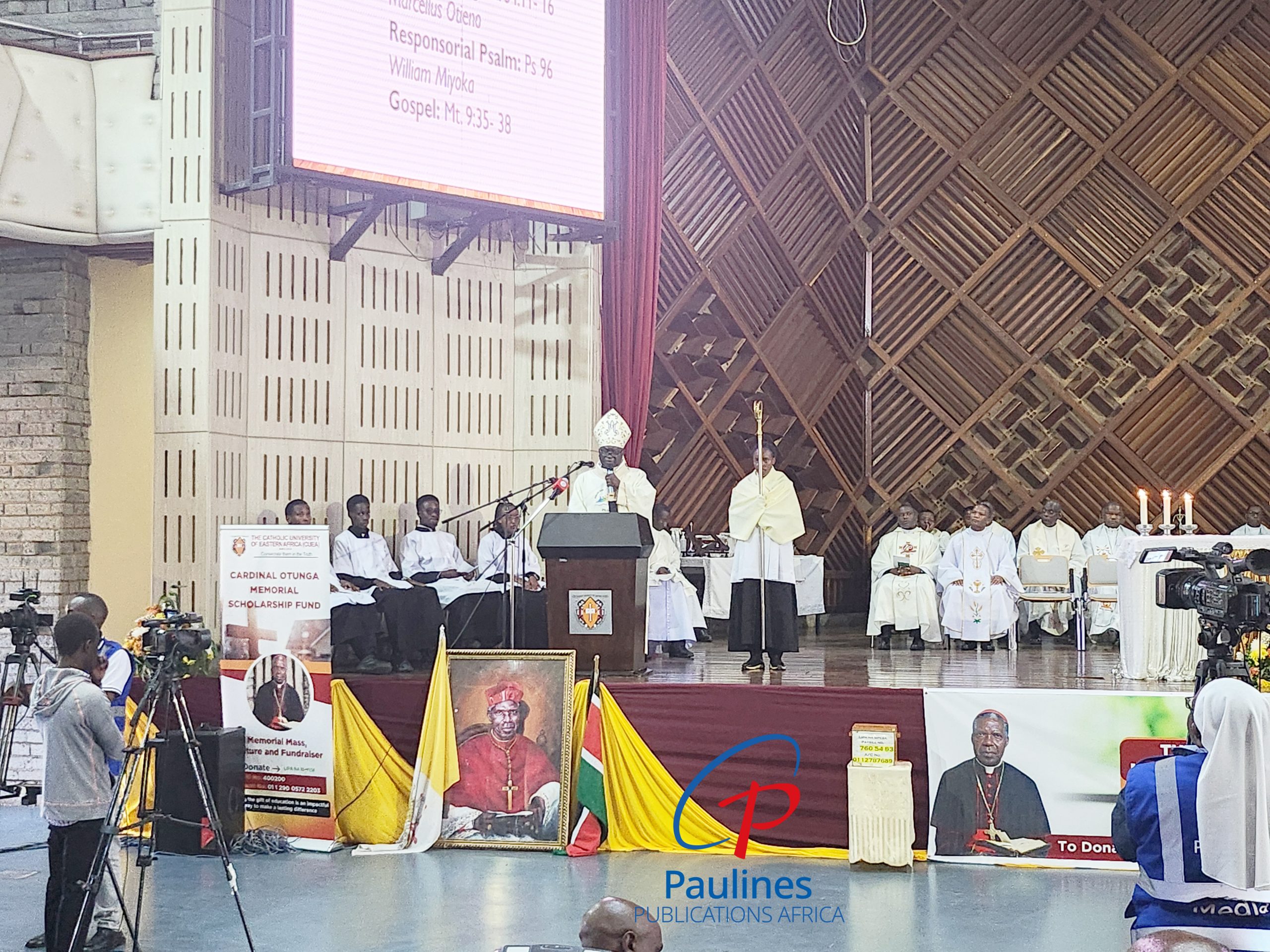
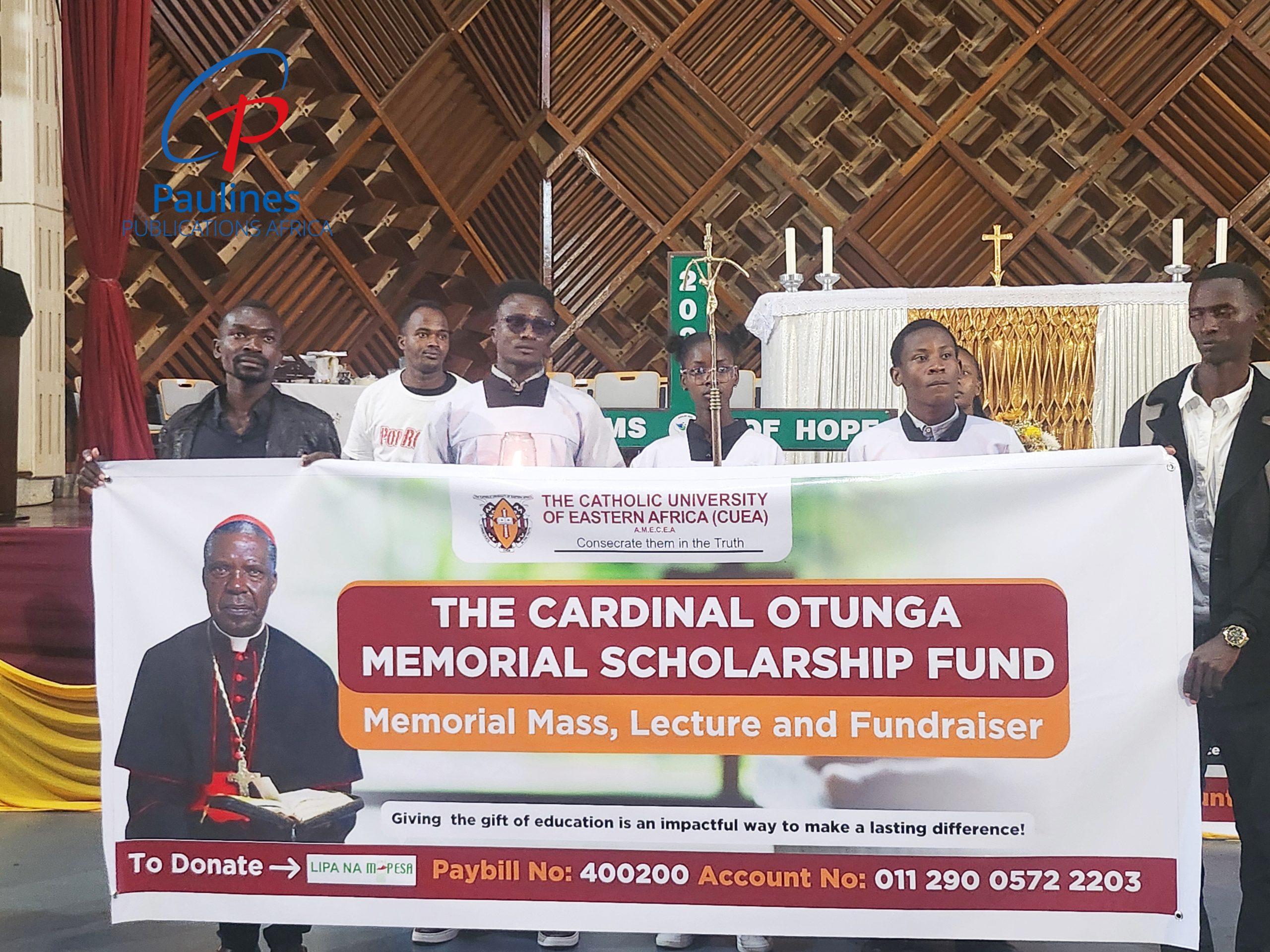
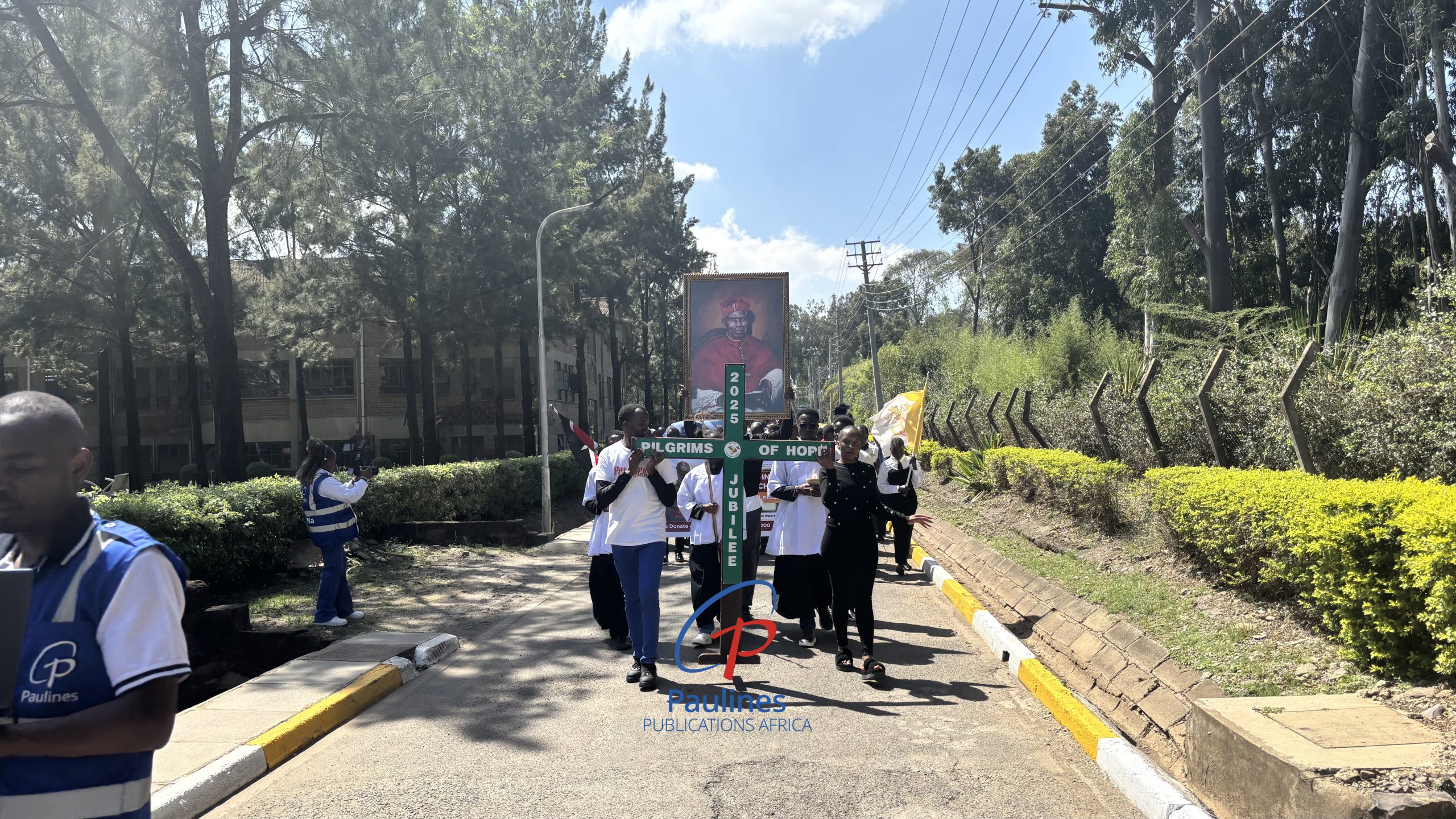
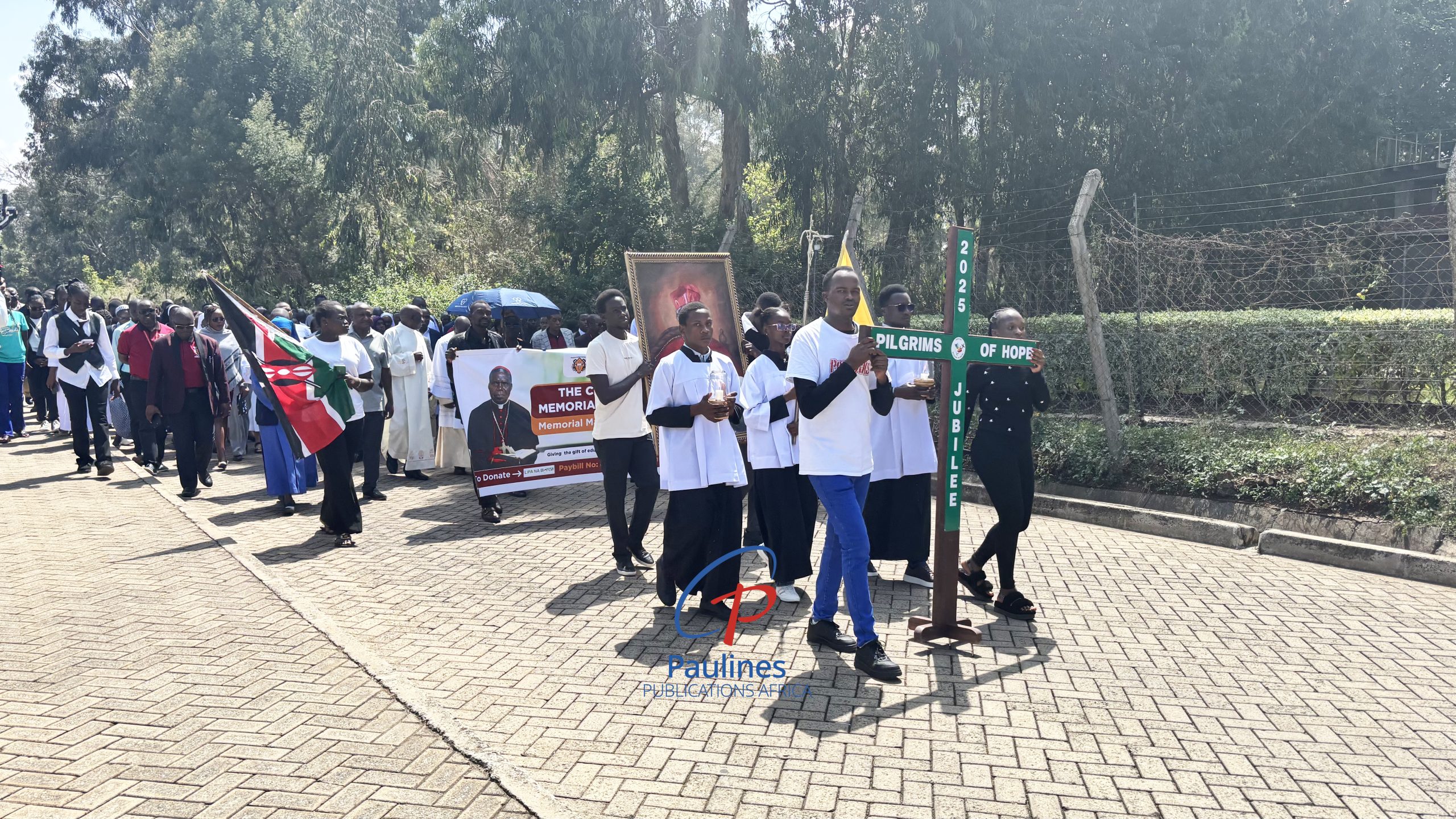
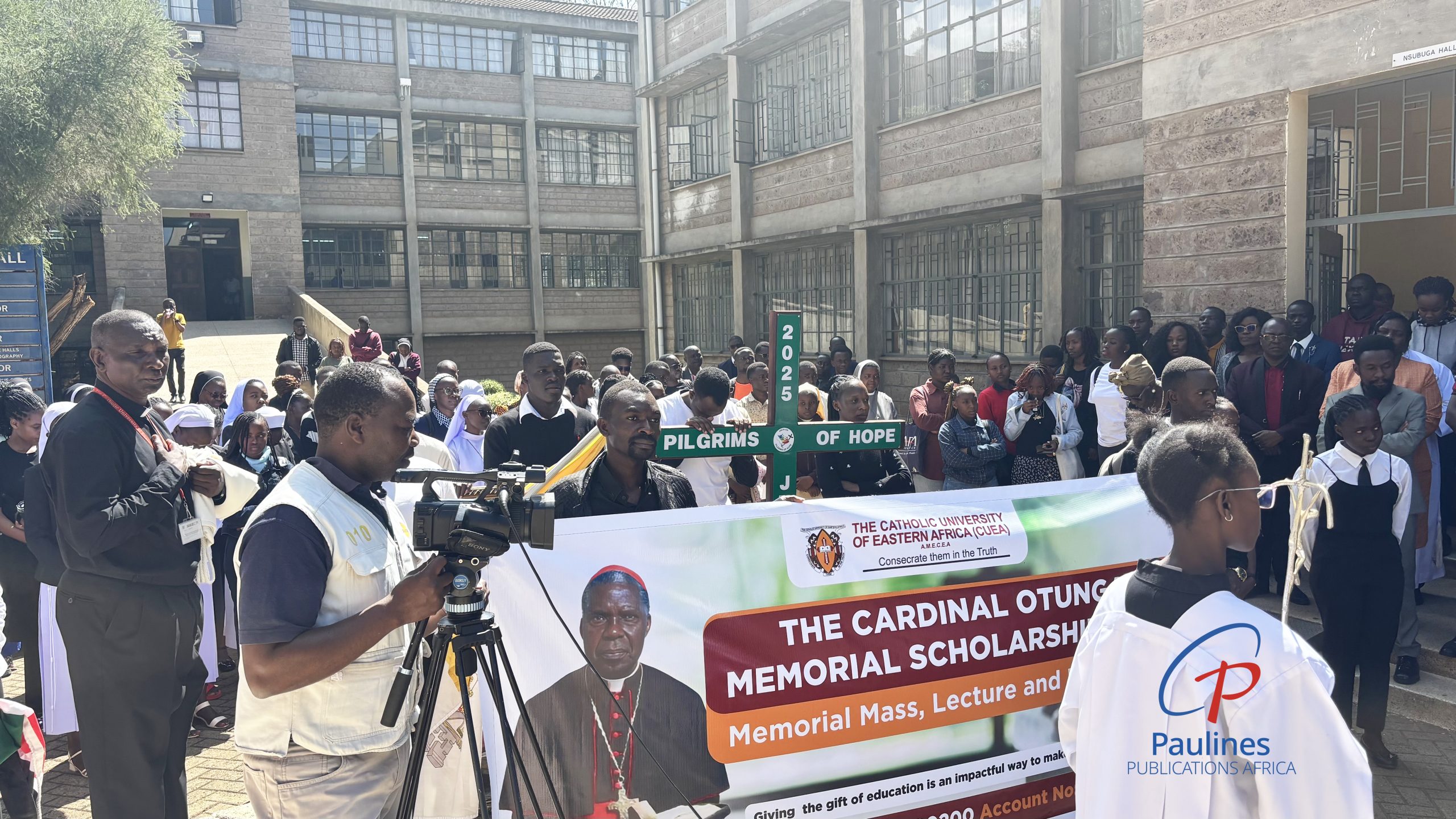
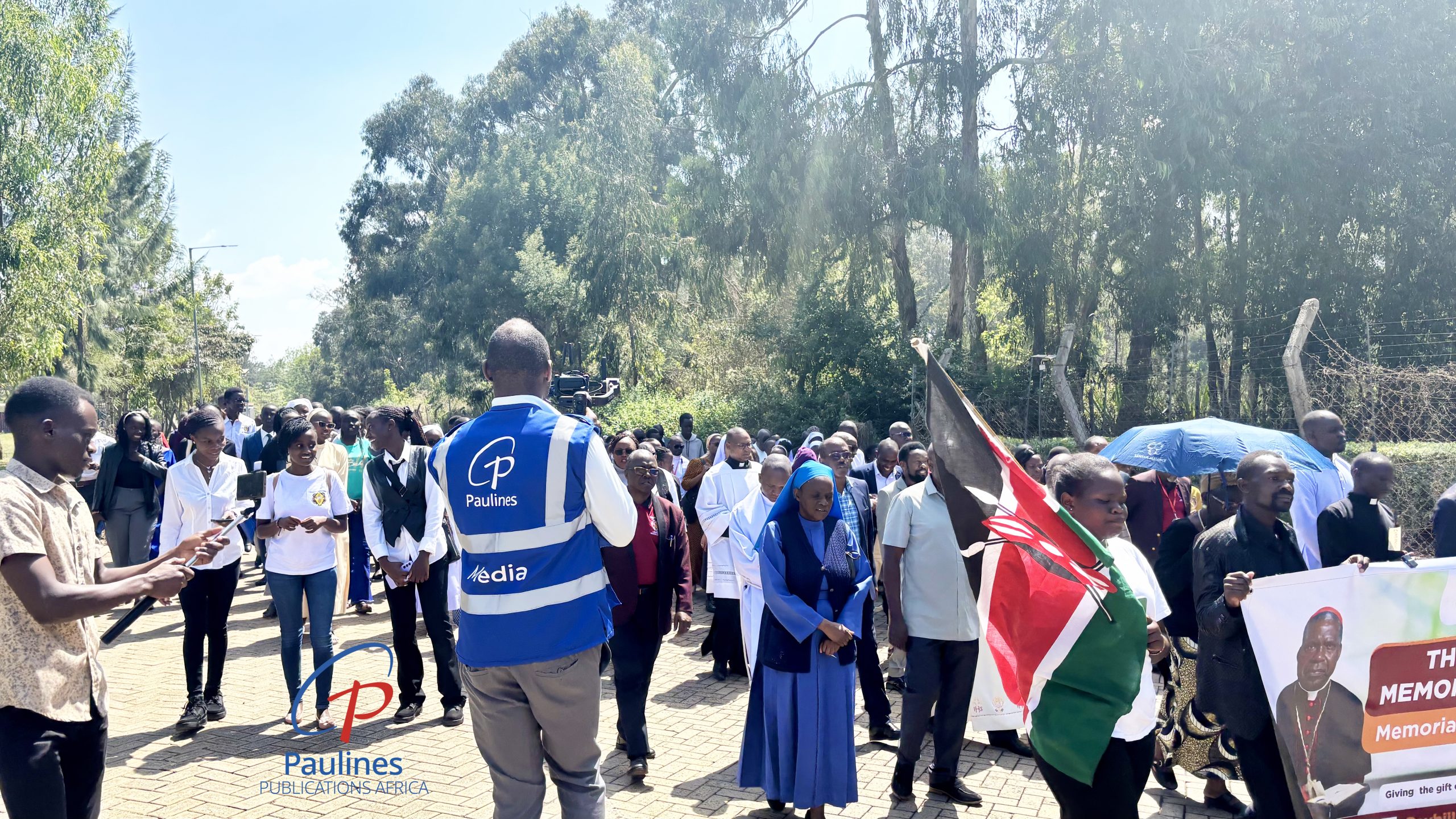
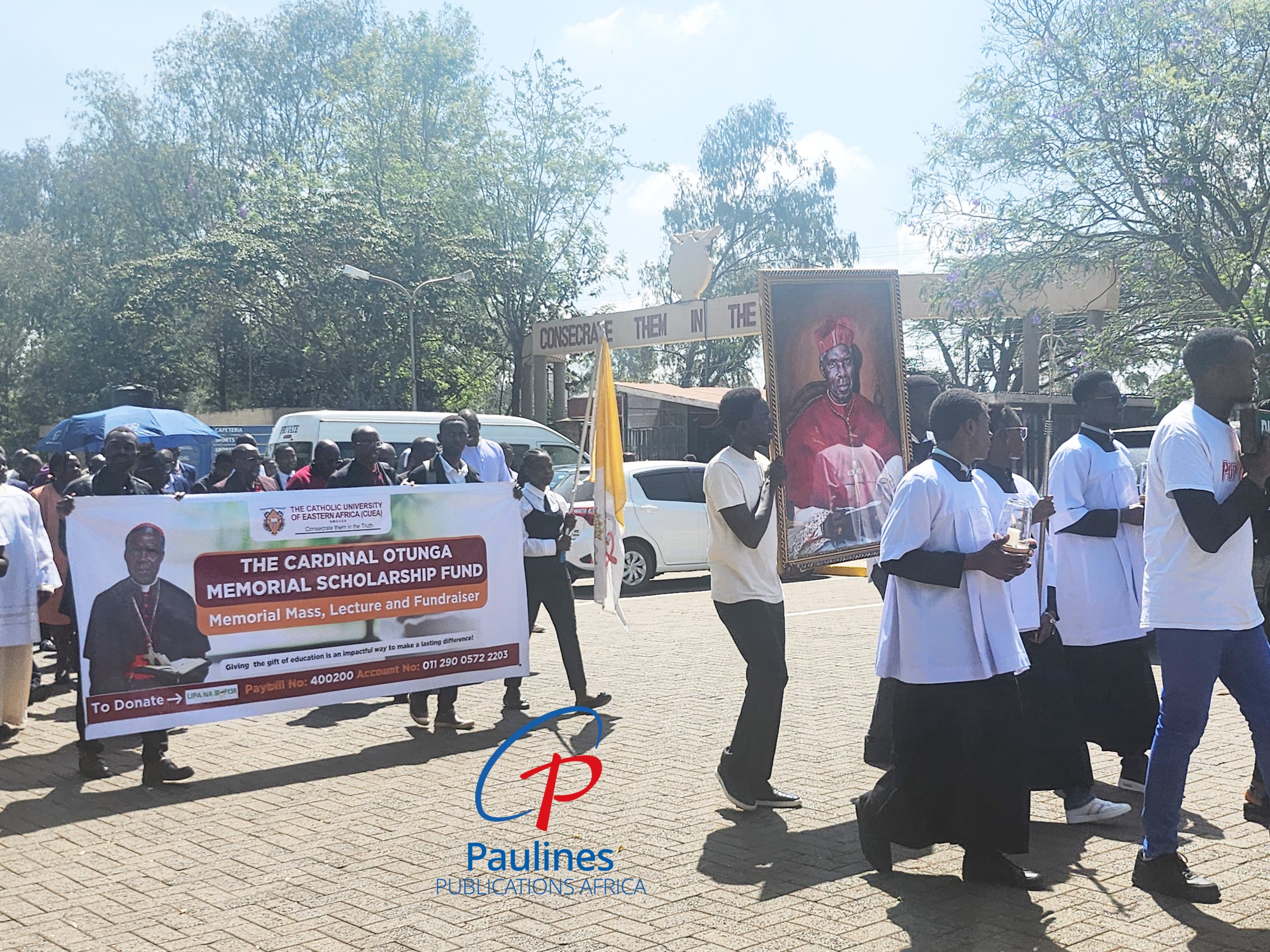
HERE ARE SOME OF THE PHOTOS FOR THE EVENT.
Related Posts
 Cardinal Otunga’s Sainthood Journey: Kenyans Urged to Emulate Servant of God’s Virtues to Advance Cause
- “He was definitely a very holy person”: Co-Author on Writing First Book about Kenya’s Cardinal Otunga
 DINNER IN SUPPORT OF THE BEATIFICATION OF CARDINAL OTUNGA | CONSOLATA SHRINE, NAIROBI.
 22nd Death Anniversary of Maurice Michael Cardinal Otunga, 06th September 2025
- DINNER IN SUPPORT OF THE BEATIFICATION OF CARDINAL OTUNGA | CONSOLATA SHRINE, NAIROBI.
- Dinner in Support of the Beatification process